

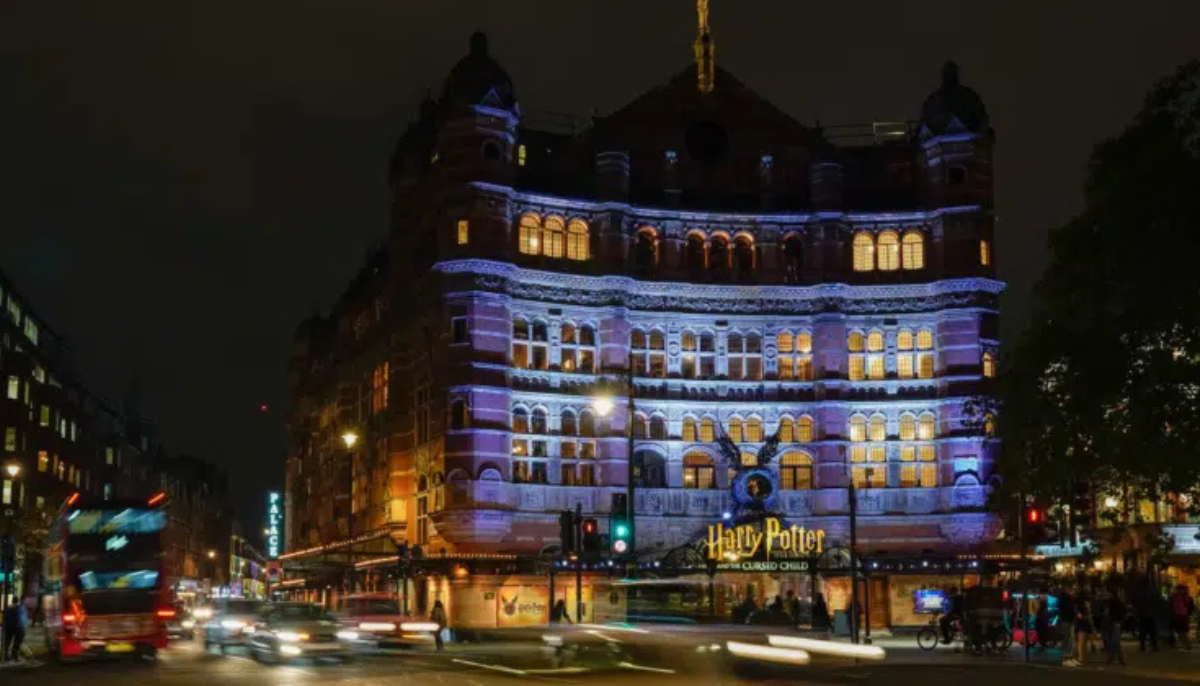
Theatre trends change quickly in London. One season everyone talks about a production, then a few months later the attention moves somewhere else. That makes the staying power of Harry Potter and the Cursed Child even more impressive.
Years after opening, audiences still walk out of the theatre looking stunned. Some are longtime Harry Potter fans who finally decided to see the show. Others know almost nothing about the story before buying tickets. The interesting part is that both groups usually leave talking about the same thing: the experience felt far bigger than expected.
In a city packed with famous productions and West End shows, that kind of reaction is difficult to maintain for this long.
It Does Not Feel Like a Typical Franchise Production
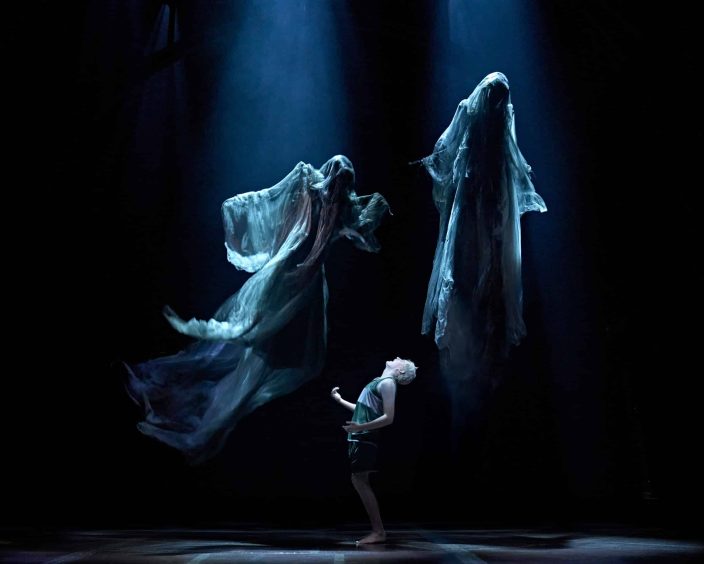
A lot of people assume the show mainly succeeds because of the Harry Potter name. The brand definitely brings attention, but that alone would not keep audiences engaged year after year.
What surprises many visitors is how seriously the production treats live theatre. The performances are sharp, the pacing rarely drags, and the visual effects are woven naturally into the story instead of becoming distractions.
There are moments where the entire audience seems frozen trying to understand how a scene was performed live on stage.
The Emotional Side Hits Harder Than Expected
The magic gets attention first, but the emotional storyline is what usually stays with people afterward.
Harry Potter and the Cursed Child focuses heavily on family pressure, friendships, regret, and the awkwardness of growing older. Those themes give the show a surprisingly grounded feeling despite the fantasy setting.
Parents watching with teenagers often connect with the story differently than younger fans do. Some audience members arrive expecting pure nostalgia and end up emotionally invested in the relationships instead. That balance helps the production appeal to people outside the core Harry Potter fandom.
It also makes the show work well as part of a broader family theatre experience in London.

London Adds Something Extra to the Night
Watching the production in the West End changes the atmosphere completely. It does not feel like streaming a movie at home or casually visiting a cinema. The entire evening becomes part of the memory.
People usually arrive early to explore the area, grab dinner nearby, or take photos outside the theatre before the show begins. Afterward, many continue talking about favorite scenes while walking through central London at night.
That combination of theatre and city atmosphere is a big reason tourists keep adding Harry Potter and the Cursed Child to their London vacation plans. It feels like one of those experiences that becomes tied to the trip itself rather than just another activity on the itinerary.
The Audience Energy Is Part of the Appeal
Some productions have impressive staging but quiet audiences. This show tends to create the opposite effect.
There is constant audience reaction throughout the performance. People laugh loudly, gasp at illusions, and break into applause during scene transitions. That shared energy gives the theatre a very different feeling compared to smaller dramatic productions.
The interesting thing is that even repeat visitors still seem excited. Fans return with friends or family members just to watch their reactions during key scenes. That says a lot about how effective the live experience remains after all these years.
For visitors exploring London entertainment options, that kind of atmosphere can make a major difference.
Why the Show Continues to Stay Relevant
Long-running productions often become predictable over time. Harry Potter and the Cursed Child has managed to avoid that problem because people continue recommending it personally rather than treating it like an older attraction.
That recommendation cycle matters more than advertising. Someone sees the show, talks about it nonstop afterward, then convinces another group to book tickets.
The production also benefits from being one of the few large-scale live theatre experience options that genuinely feels immersive without becoming gimmicky. Every detail, from sound design to stage movement, feels carefully planned to keep the audience engaged.
Years later, people still leave the theatre looking amazed, and honestly, that reaction explains the show’s reputation better than any marketing campaign could.