

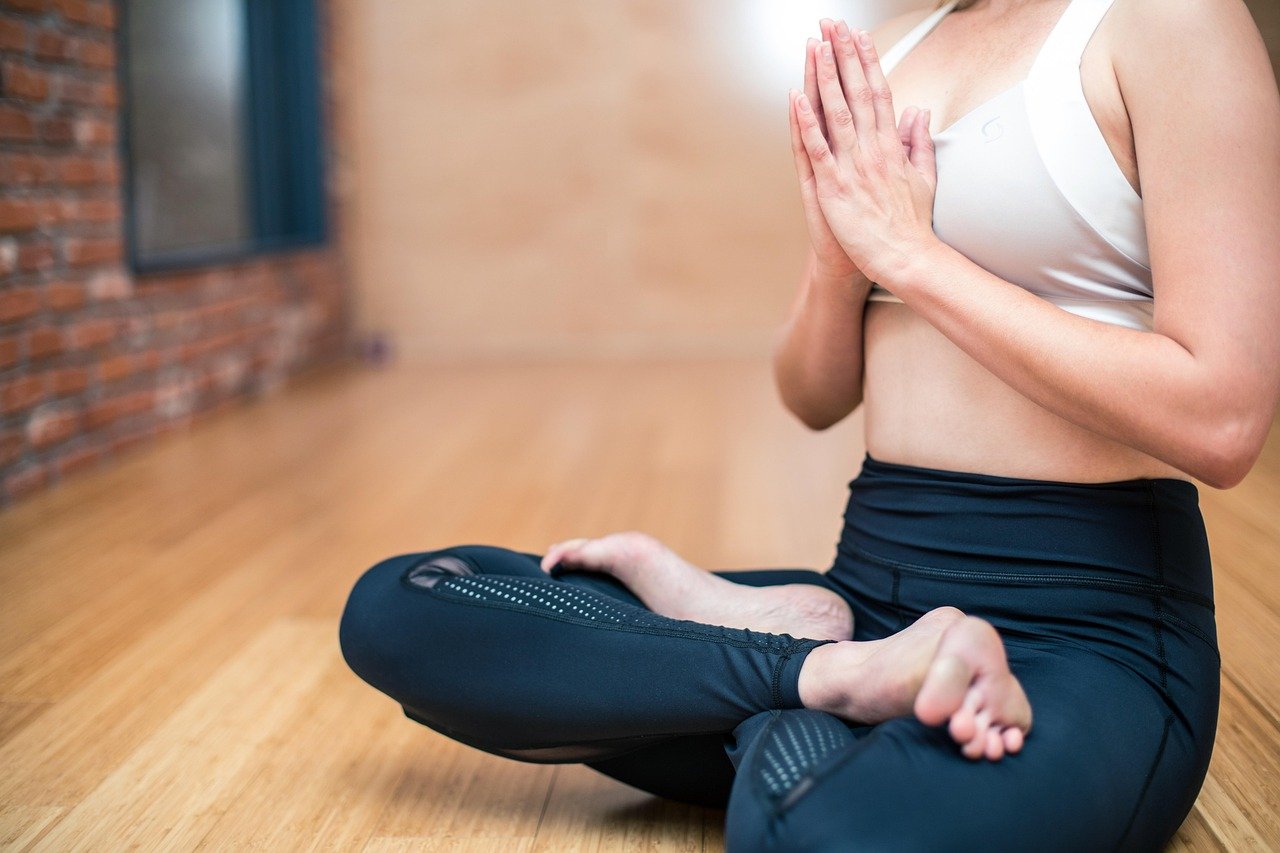
In today’s fast-paced world, moments of pause have become rare treasures. Amidst the constant notifications, deadlines, and daily chaos, mindfulness—the simple practice of being fully present—has risen as a powerful antidote. But while mindfulness is often portrayed as a solitary activity, practiced alone on a cushion or in silence, something transformative happens when we bring it into the group setting. Group mindfulness is more than just meditating together—it’s a tool for deep connection, emotional attunement, and collective healing.
Why Group Mindfulness Matters
At its core, mindfulness is about awareness without judgment. When practiced collectively, that awareness multiplies. Individuals not only become more attuned to themselves but also to those around them. In a group context—whether it’s a workplace team, classroom, or neighborhood circle—shared mindfulness fosters empathy, patience, and deeper communication.
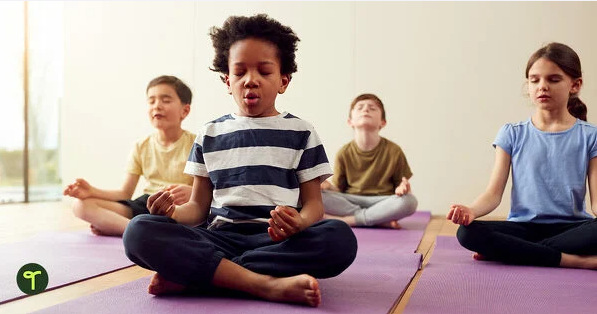
Scientific studies have begun to explore this phenomenon. Researchers have found that group mindfulness increases feelings of social connectedness, reduces group tension, and even enhances collaborative problem-solving. When people breathe, move, or reflect together with intentional presence, a subtle shift occurs. Trust grows. Egos soften. And a sense of “we’re in this together” takes root.
From Individuals to Ecosystems
Group mindfulness operates on multiple levels. It begins with personal regulation—participants learn to notice their thoughts, sensations, and emotions in real time. But as individuals tune into themselves, they also begin to resonate with the energy of the group. Over time, this creates what psychologists call collective coherence: a harmonious state where group members feel psychologically safe and mutually supported.
In community organizations, mindfulness circles are used to build resilience after conflict. In corporate settings, team-based breathing exercises or mindful check-ins before meetings can reduce workplace stress and boost morale. Even in schools, group mindfulness helps students regulate emotions and build healthier relationships with peers.
Simple Practices, Lasting Impact
You don’t need a retreat center or a meditation guru to introduce group mindfulness. Here are a few simple but effective formats:
- Mindful Check-ins: Begin a group meeting with a moment of silence and a shared reflection question, such as “What’s one thing you’re feeling today?”
- Breath Synchronization: Spend a minute breathing together in silence. This fosters a sense of rhythm and shared calm.
- Walking Meditations: A group walk in silence, with attention to each step and the surrounding environment, can ground a team and increase collective awareness.
- Shared Gratitude Practice: Have participants go around and name one thing they’re grateful for. This simple act can reshape the emotional tone of a gathering.
Strengthening the Social Fabric
The ripple effects of group mindfulness go far beyond a single session. Regular practice cultivates what many communities are hungry for: belonging. It reminds us that presence is a gift we can offer to others—not just something we seek for ourselves. In a society where isolation is a growing concern, especially in urban and digital environments, shared mindfulness becomes a quiet revolution. It teaches us to listen more deeply, act more compassionately, and stand more united.
The Future Is Shared
Brands and organizations that prioritize group mindfulness are not just investing in individual well-being—they’re shaping a healthier, more connected future. In an age that often glorifies hustle and hyper-productivity, creating space for communal reflection is not only bold—it’s necessary.
Because when we breathe together, we begin to belong together.