

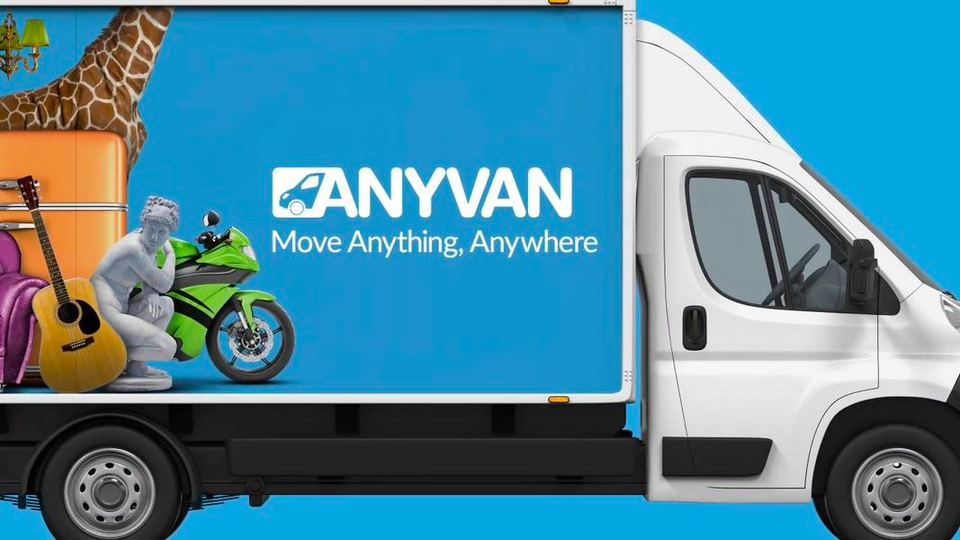
In the evolving landscape of logistics and transport, sustainability has become a pivotal concern. AnyVan, a UK-based company founded in 2009, is leading the charge with its groundbreaking approach to eco-friendly transportation. This article explores how AnyVan leverages technology and innovative logistics strategies to minimize environmental impact while enhancing service efficiency.
Reducing Carbon Footprint
AnyVan’s model is inherently green. By maximizing the space in transport vehicles and reducing unnecessary trips, the platform significantly cuts down on CO2 emissions. For example, instead of two vans traveling to similar destinations half-full, AnyVan combines the loads, ensuring one van travels full, effectively halving the potential emissions. This not only conserves fuel but also decreases the congestion and pollution typically associated with transport activities.
The Roots of Innovation
AnyVan was conceived by Angus Elphinstone and Ben Goor with a vision to optimize the use of transportation resources. Recognizing that many vans and trucks traveled partially empty or on inefficient routes, the founders saw an opportunity to reduce these wasteful practices by matching delivery jobs with transport providers already headed in the same direction.
Carbon Balancing Act
Despite its efforts to reduce emissions through optimized routing, AnyVan acknowledges that its vehicles still produce CO2. To address this, the company has partnered with the World Land Trust, an organization committed to conserving biodiversity through protected land. AnyVan contributes to the restoration and protection of threatened tropical forests, effectively balancing the CO2 emissions from its vans. This commitment positions AnyVan as a leader in environmental responsibility within the logistics sector.
Broadening the Impact
Beyond individual transport jobs, AnyVan’s model has broader implications for the logistics industry. By demonstrating the feasibility and benefits of route and load optimization, AnyVan encourages other companies to reconsider their operational strategies. This ripple effect can lead to widespread improvements in logistics efficiency and environmental impact, setting new standards for the industry.
Looking Ahead
As AnyVan continues to expand its services across Europe, the potential for positive environmental impact grows. The company is exploring additional sustainable practices, such as integrating electric vehicles into its fleet and using AI to further enhance route optimization. With each step, AnyVan not only proves that eco-friendly transport is viable but also sets an example for other companies to follow.
AnyVan’s innovative approach to logistics showcases a successful merger of technology, business, and environmental stewardship. By transforming how goods are transported, AnyVan is not just moving items from point A to point B—it’s moving the entire logistics industry towards a more sustainable future.